The Ultimate Guide to Mobile App Development in 2026
Introduction
Mobile apps are no longer optional — they are essential business tools. In 2026, mobile apps drive customer engagement, automate operations, increase revenue, and strengthen brand loyalty.
From startups to global enterprises, businesses that fail to adopt mobile technology risk being left behind.
This ultimate guide to mobile app development in 2026 walks you through everything you need to know — from planning and technology choices to costs, timelines, security, and future trends.
Why Mobile Apps Matter More Than Ever in 2026
📊 Key Facts:
- Over 7 billion smartphone users worldwide
- Mobile apps account for more than 80% of digital engagement
- Customers prefer apps over websites for speed and convenience
Benefits for Businesses:
✔ Better customer experience
✔ Increased brand visibility
✔ Higher conversion rates
✔ Real-time user engagement
✔ Data-driven decision making
Types of Mobile Apps
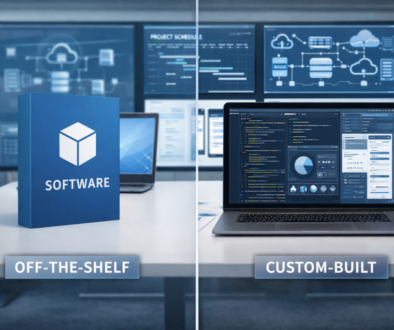
1. Native Apps
Built specifically for one platform (iOS or Android).
Pros: High performance, smooth UX
Cons: Higher cost, separate codebases
2. Cross-Platform Apps
One codebase for multiple platforms (Flutter, React Native).
Pros: Cost-effective, faster development
Cons: Slight performance limitations
3. Progressive Web Apps (PWAs)
Web apps that behave like native apps.
Pros: No app store required
Cons: Limited device access
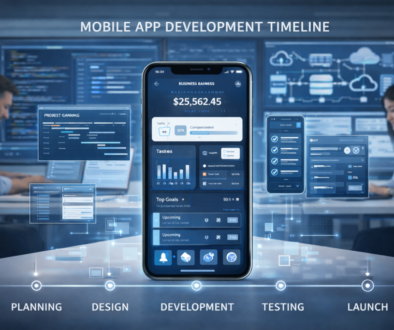
Mobile App Development Process (Step-by-Step)
1️⃣ Idea & Market Research
- Identify a real problem
- Study competitors
- Validate demand
2️⃣ Planning & Strategy
- Define app features
- Choose platform (iOS, Android, or both)
- Select technology stack
3️⃣ UI/UX Design
- User journey mapping
- Wireframes & prototypes
- Visual branding
💡 Good design increases retention by up to 200%.
4️⃣ Development
- Frontend development
- Backend & APIs
- Database setup
- Third-party integrations
5️⃣ Testing & Quality Assurance
- Functional testing
- Performance testing
- Security testing
- Device compatibility
6️⃣ Deployment
- App Store & Play Store submission
- Compliance with guidelines
- Final approvals
7️⃣ Maintenance & Updates
- Bug fixes
- Feature upgrades
- Performance optimization
Technology Stack for Mobile App Development in 2026
Frontend
- Flutter
- React Native
- Swift (iOS)
- Kotlin (Android)
Backend
- Node.js
- Python (Django/FastAPI)
- Firebase
- Laravel
Databases
- PostgreSQL
- MongoDB
- Firebase Realtime DB
Cloud & DevOps
- AWS
- Google Cloud
- Azure
App Development Cost in 2026
| App Complexity | Estimated Cost |
| Simple App | $5,000 – $15,000 |
| Medium App | $15,000 – $50,000 |
| Complex App | $50,000+ |
💡 Costs depend on:
- Features
- Platform
- Design complexity
- Integrations
- Security requirements
How Long Does App Development Take?
| App Type | Timeline |
| Simple App | 1–2 months |
| Medium App | 3–5 months |
| Complex App | 6–12 months |
Security & Compliance in 2026
Modern apps must include:
🔒 Data encryption
🔒 Secure authentication (2FA, biometrics)
🔒 API protection
🔒 GDPR & compliance readiness
Security is no longer optional — it’s a core feature.
Mobile App Trends in 2026
🚀 AI-powered apps
🚀 Voice & chatbot integration
🚀 AR/VR experiences
🚀 Blockchain security
🚀 IoT-connected apps
🚀 Super apps
Common Mobile App Development Mistakes
❌ Skipping market research
❌ Poor UI/UX design
❌ Ignoring security
❌ Overloading features
❌ No post-launch support
How Sprocket Technology Helps You Build Better Apps
At Sprocket Technology, we:
✔ Build scalable mobile apps
✔ Design intuitive user experiences
✔ Integrate AI & automation
✔ Ensure security & performance
✔ Offer long-term support
📩 Let’s turn your app idea into a successful product.
Conclusion
Mobile app development in 2026 requires strategy, technology, security, and innovation. Businesses that invest in high-quality apps gain a competitive edge and long-term growth.
📌 The future is mobile — and the time to build is now.